
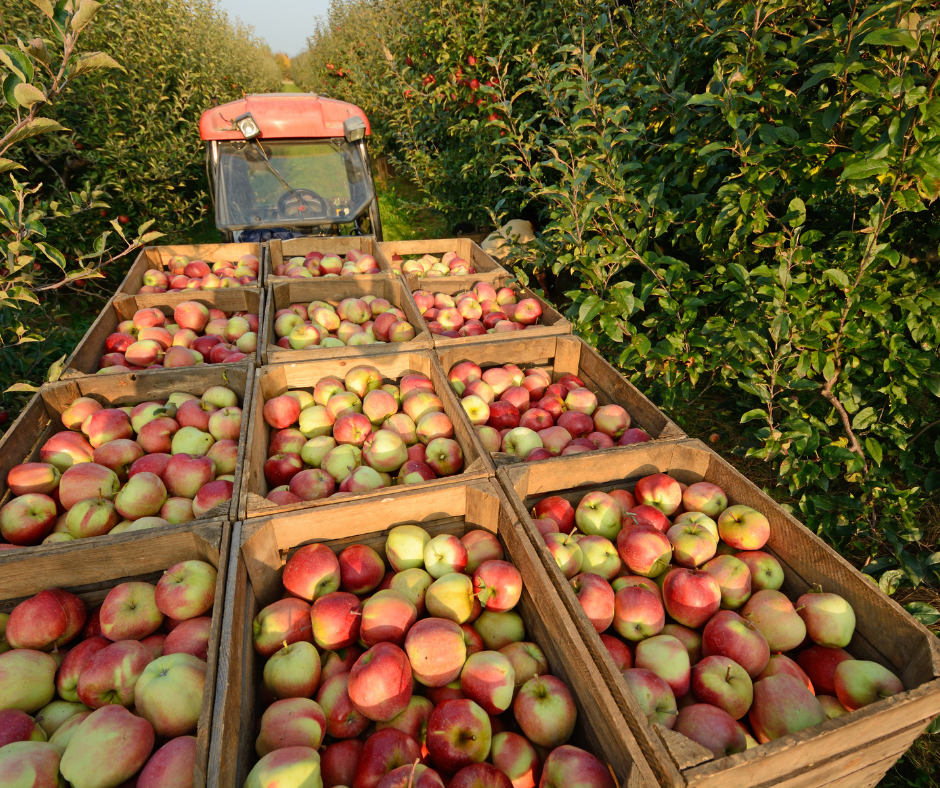
Harvest Cash Flow: Bridging the Gap Between Input Costs and Grain Checks
There's a stretch every year, usually mid-September through early October, when a lot of farms are at their most cash-poor and their most asset-rich at the same time. The bins are filling, the fields look good, and the checking account is thinner than it's been all season. That mismatch is completely normal — it's also exactly the moment when bad financial decisions get made under pressure.
What Documentation You Actually Need for a Land Loan
The single biggest reason a land loan drags out longer than it needs to isn't a credit issue or a valuation problem — it's paperwork trickling in one document at a time over three weeks instead of arriving as a complete package up front. We'd rather tell you everything you need on day one than have you find out piece by piece.
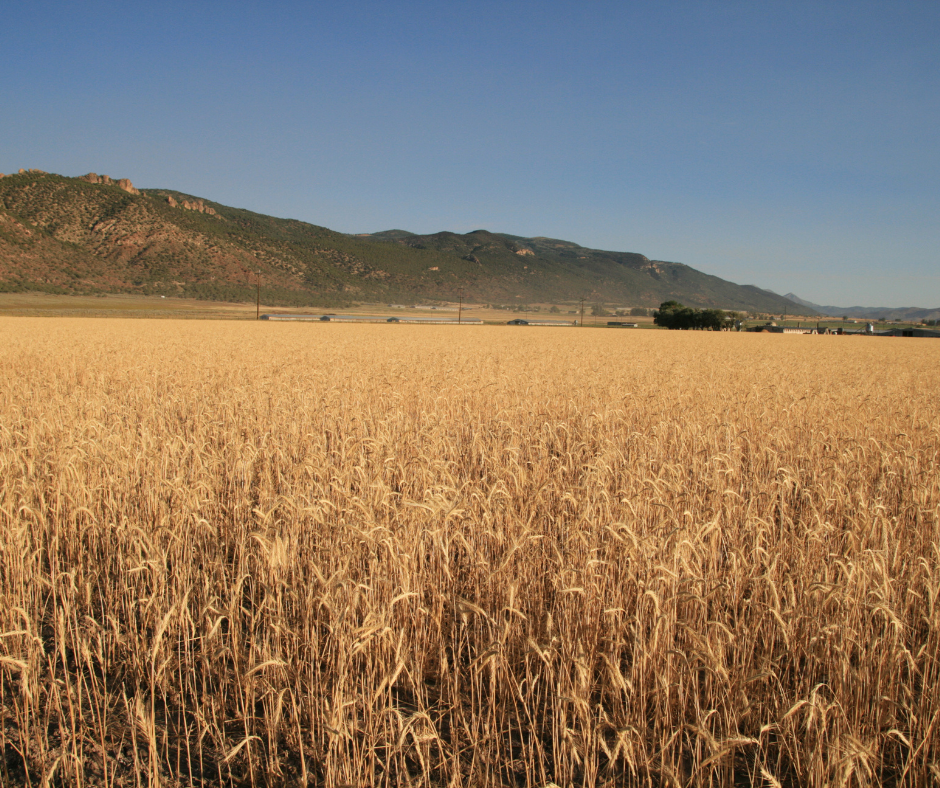
Grain Marketing 101: Locking In Prices Without Locking Up Your Cash Flow
Every marketing tool has a cash flow consequence attached to it, and that part gets left out of a lot of the marketing advice floating around. A forward contract might lock in a great price, but if it requires margin calls or ties up bushels you end up needing for on-farm feed or a late storage decision, the "good deal" on paper can create a real cash crunch in October.
How to Assess Farmland Value Before You Make an Offer
Land doesn't come up for sale often in most neighborhoods, and when it does, the pressure to move fast is real. We understand the instinct to make an offer before someone else does. We'd just rather you spend a weekend doing the homework than spend the next twenty years paying for a number that didn't hold up.
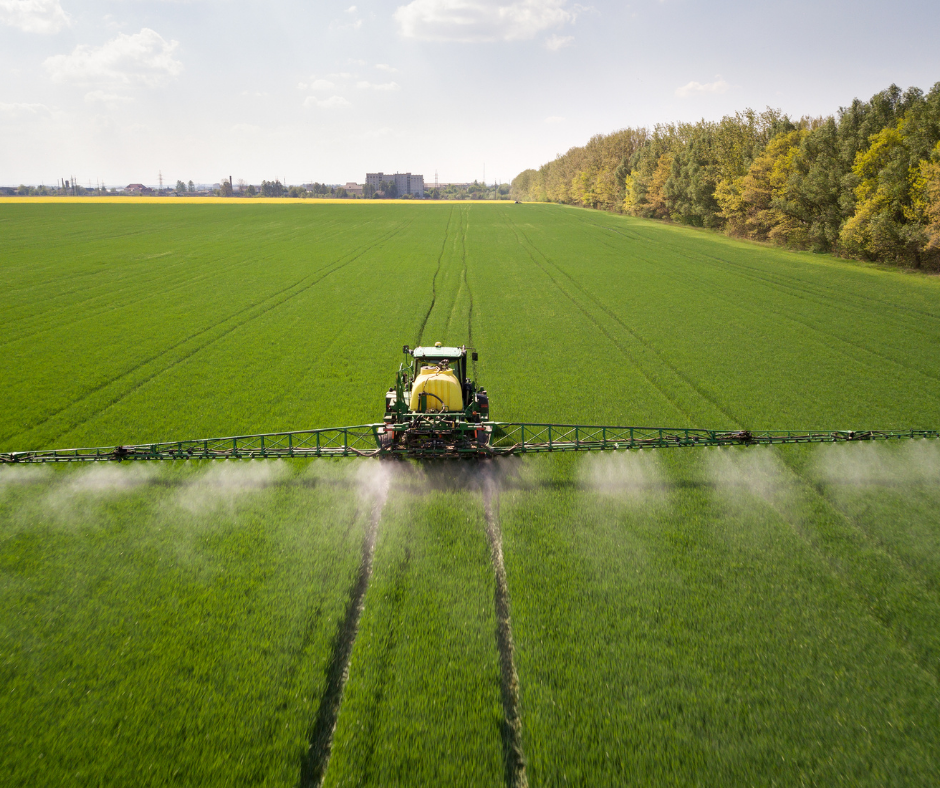
Custom Applicator or Buy Your Own Sprayer? Running the Real Numbers
This question comes up every August, usually right after someone's had a bad experience with timing — either their custom applicator was three days late spraying a fungicide window in Iowa, or a grower in the Texas High Plains watched their own sprayer sit in the shed nine months of the year eating depreciation. Both sides have a point, and the honest answer is that it depends on acres, timing sensitivity, and what else that capital could be doing for you.
Working Capital: How Much Should Your Farm Really Be Holding?
"How much cash should I be sitting on?" is one of the most common questions we get, and it's a fair one — nobody wants money parked in an account earning nothing when it could be paying down debt or buying equipment outright…

How to Run a Farm Breakeven Analysis Before You Sign Anything
A grower we work with in south-central Kansas told us once that he didn't know his real breakeven price until his accountant handed him a number in March…
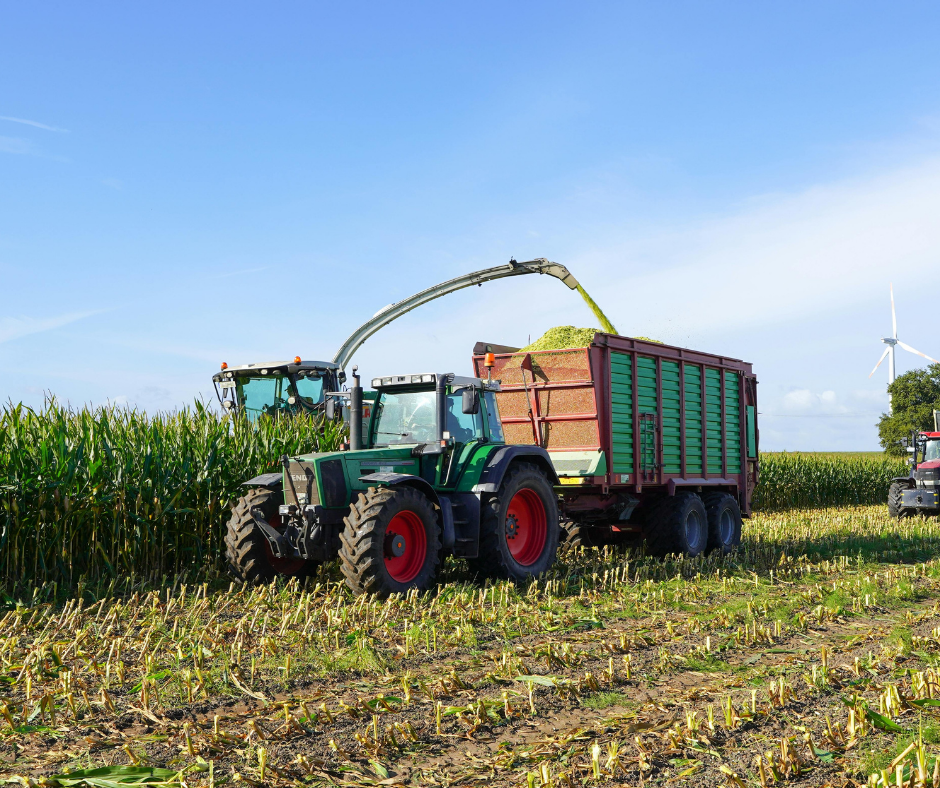
Lining Up Harvest Financing Before You Need It
Every fall we get the same round of calls. Combines are already rolling, a header needs a part that's back-ordered three weeks, and somebody's operating line is tighter than anyone expected in July. None of it is a surprise, exactly — harvest costs…