
Farm & Ranch Loans for South Dakota Producers
East River corn and beans. West River cattle.
Farm Loans for Every Stage of Your Operation
-
![A tractor harvesting crops in a large farmland with neatly plowed rows and green fields under a partly cloudy sky during sunset.]()
Farm Land Purchase Loans
Financing to buy your first farm, expand your current operation, or invest in purchasing farmland.
-
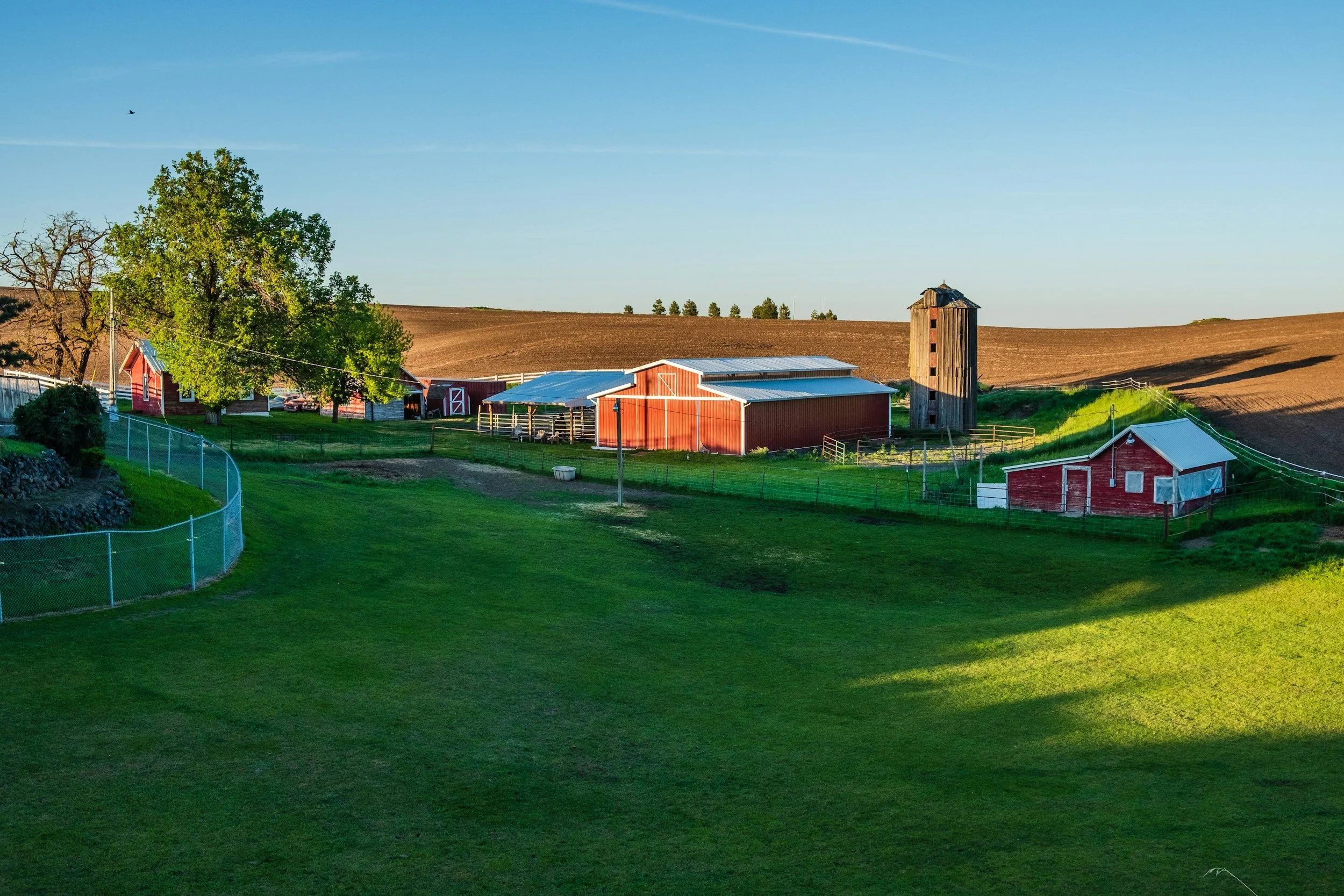
![A scenic view of a farm with red barns, a silo, green grassy foreground, trees, and a clear blue sky with a few clouds and a bird flying overhead.]()
Farm Land Loan Refinance
Lower your payments, get better terms, and improve cash flow by refinancing your existing loan.
-
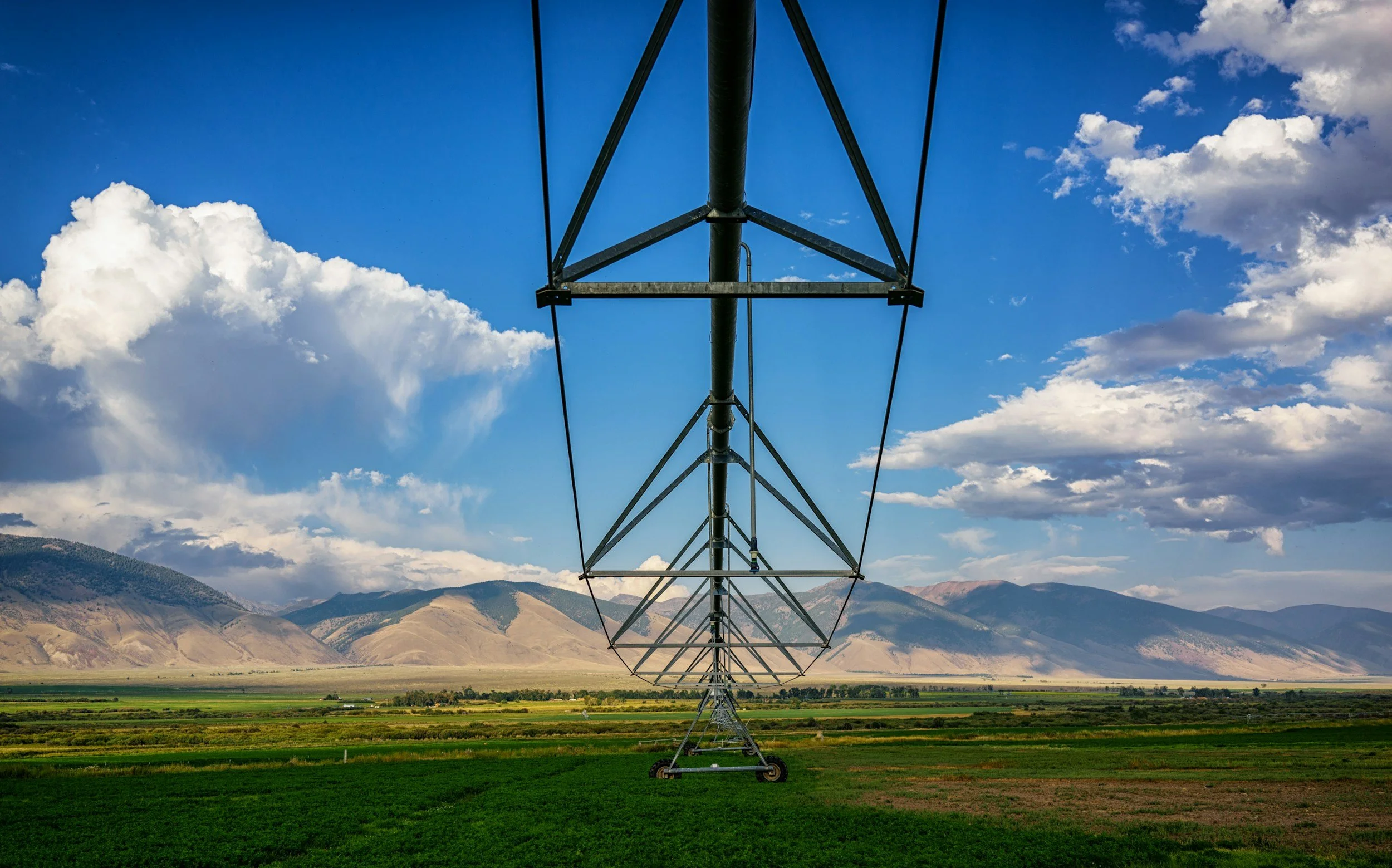
![An irrigation system tower stretching across a lush green field with mountains in the background under a partly cloudy blue sky.]()
Farm Land Development Loans
Finance irrigation, land improvements, outbuildings, and farm infrastructure projects.
-
![Farmer operating a tractor during sunset with golden light and trees in the background.]()
Interest-Only Bridge Loans
Had an off year or credit setback? Our interest-only Bridge Loan keeps you moving forward.
-
![A landscape of farmland with green fields, trees, and a distant horizon under a mostly clear sky with some clouds.]()
Land-Backed Line of Credit
Put your land equity to work for you — through farm improvements and working capital.
-
![A group of children and an adult pick apples from a tree in an apple orchard. They are on a green wagon with a white tank, possibly for spraying. The sky is overcast and there are trees in the background.]()
Hobby Farm Loans
Buying rural acreage for lifestyle or to pursue part-time farming? We have loans for that too.
Our Process
Tell Us About Your Operation
First we'll want to learn about your farm, ranch, goals, financial situation and what type of financing you are looking for.
Complete Your Application
We'll review your financials to make sure your application accurately represents your operation and is ready to be presented to lenders.
We Compare Lending Options
Once your application is ready, we'll present it to our select network of agricultural lending partners and compare loan options to find the best fit for your operation.
It’s Time to Close Your Loan
After you've been approved for the loan, we'll guide you through the closing process and be available to answer questions every step of the way.
Our Story
When you work with Ag Lending Group, you're not just filling out an application and hoping for the best. You're partnering with people who understand agriculture and who are committed to helping you find the right financing for your goals.
Whether you're managing row crops in the Midwest, running cattle in Texas, growing almonds in California, or building a specialty operation in New England, we're here to help.
Because financing should feel like sitting around the kitchen table—not sitting across the desk from someone who doesn't understand farming.
Who We Work With
Ag Lending Group helps South Dakota farmers and ranchers finance land purchases, refinances, land-backed lines of credit, development projects and hobby acreage. We're a family-run farm financing advisor that works nationwide, and we take your South Dakota deal to the ag lending partners that understand cropland, cattle and grass.
South Dakota splits at the Missouri River. East River is corn and soybean country with productive, often tiled ground, while West River is ranch country with big pastures, wheat and cattle. A quarter of cropland in the east and a West River cow-calf ranch are very different loans, and lenders want to understand the operation in front of them.
Water and grass are the big factors out west. Water rights in South Dakota are permitted through the state's Water Rights Program, and irrigated ground needs a permit to back it up. Many ranches also run on state school and public lands leases or federal grazing on the National Grasslands, so lenders will want to see your permits, leases and stocking history.
Whether you operate 40 acres or 40,000, we work with South Dakota corn and soybean operations, cow-calf and yearling ranches, wheat growers, feedlots, hunting ground, hobby farms and ag businesses.
A real South Dakota story: a bridge back to long-term financing
A South Dakota family's bank asked them to leave. We set them up with an interest-only bridge loan for two years, and in that time helped them get their financials in order and their credit back up. Then we converted them into a 30-year fixed-rate loan.
Hear from some of the farmers we’ve helped:
South Dakota Farm & Ranch Loan FAQs
Yes. Productive cropland is valued on its soils and crop history, while ranch country is valued on grass, water and carrying capacity.
Do lenders treat East River and West River ground differently?
1
Leased ground isn't collateral, but long-term state and federal grazing leases support your income and show lenders the operation is stable.
Can school and public lands leases help me qualify for a ranch loan?
2
Often, yes. Lenders look at how the land is used and whether it produces income, and recreational land loans can fit properties that are mostly for hunting.
Can you finance hunting or recreational ground?
3
Can you finance tile drainage or irrigation?
4
Often, yes, through a land development loan or a land-backed line of credit, depending on your operation and equity.
Ready to Take the Next Step?
Tell us a little about your farm, ranch, and financing needs. Our team will review your information and follow up to help you understand your options.
Send it over and let's start the conversation.