
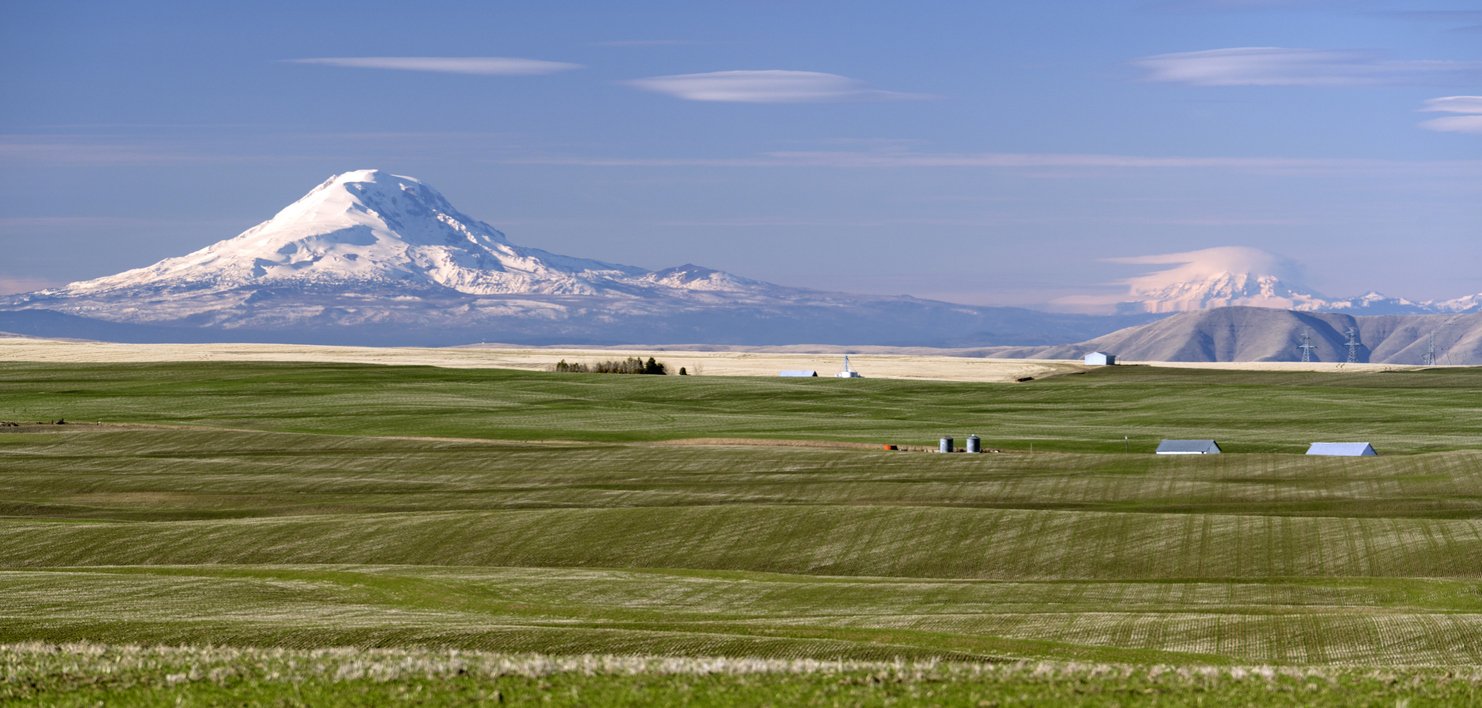
Farm & Ranch Loans for Washington Producers
Orchards, wheat and everything in between.
Farm Loans for Every Stage of Your Operation
-
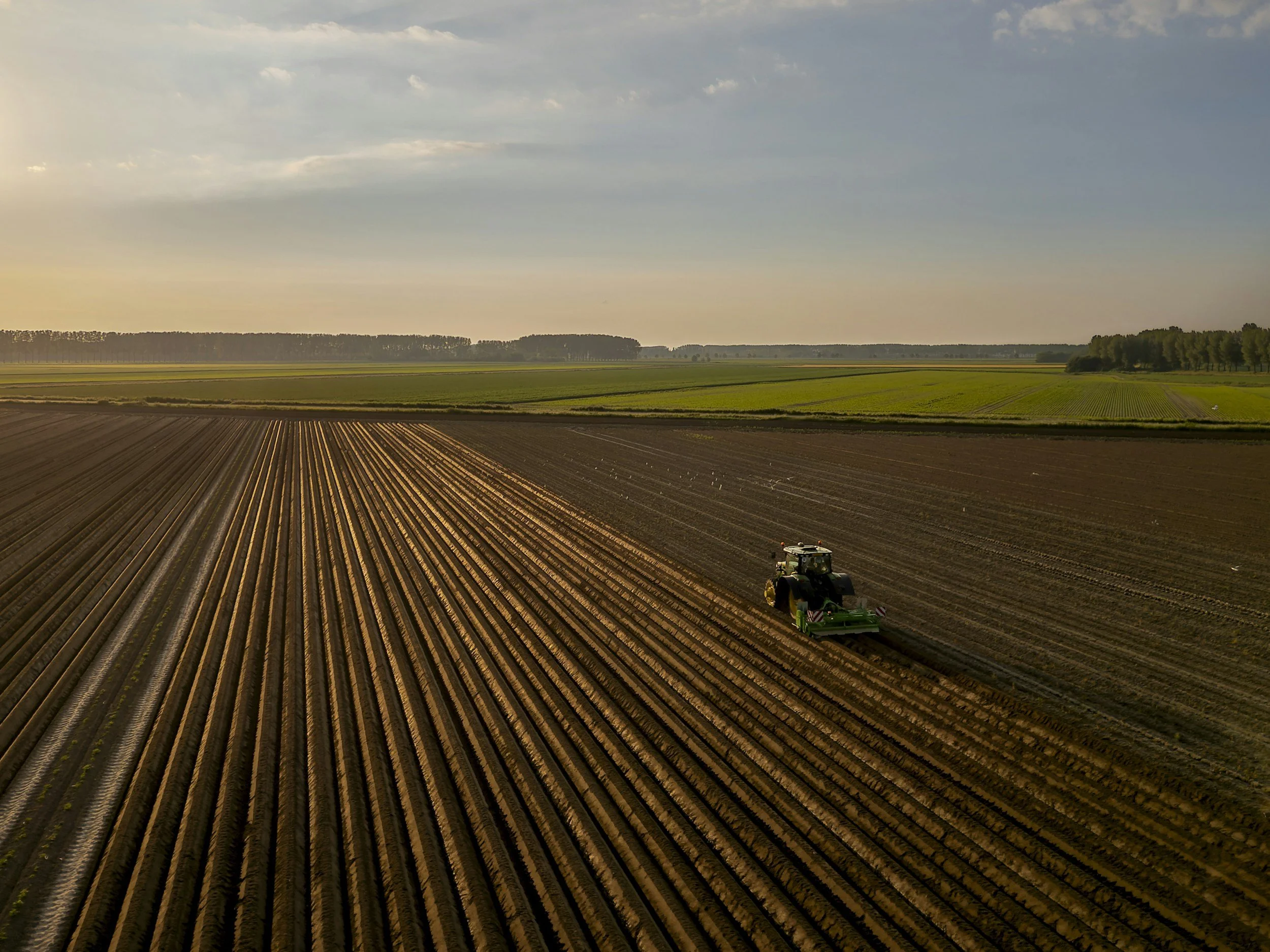
![A tractor harvesting crops in a large farmland with neatly plowed rows and green fields under a partly cloudy sky during sunset.]()
Farm Land Purchase Loans
Financing to buy your first farm, expand your current operation, or invest in purchasing farmland.
-
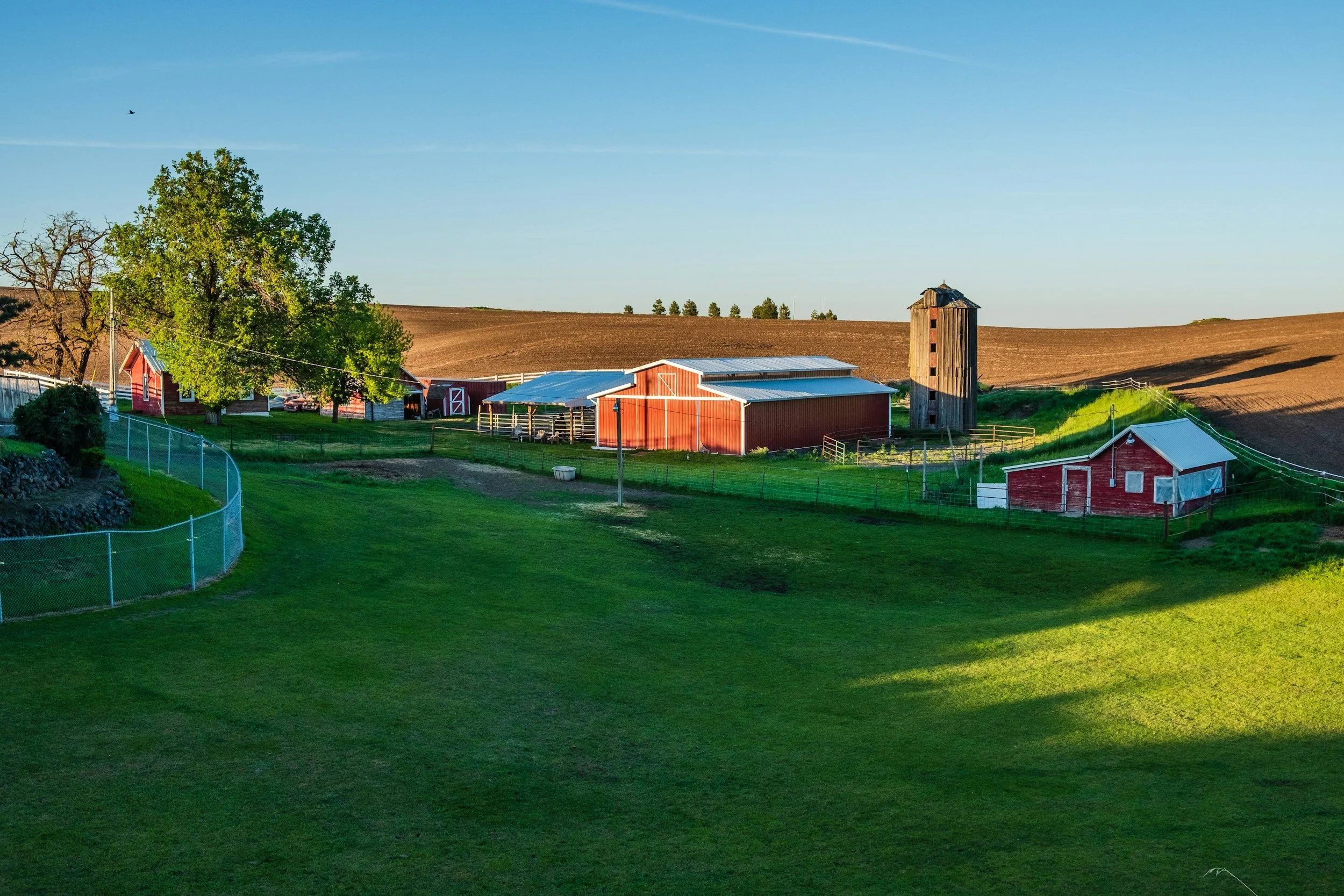
![A scenic view of a farm with red barns, a silo, green grassy foreground, trees, and a clear blue sky with a few clouds and a bird flying overhead.]()
Farm Land Loan Refinance
Lower your payments, get better terms, and improve cash flow by refinancing your existing loan.
-
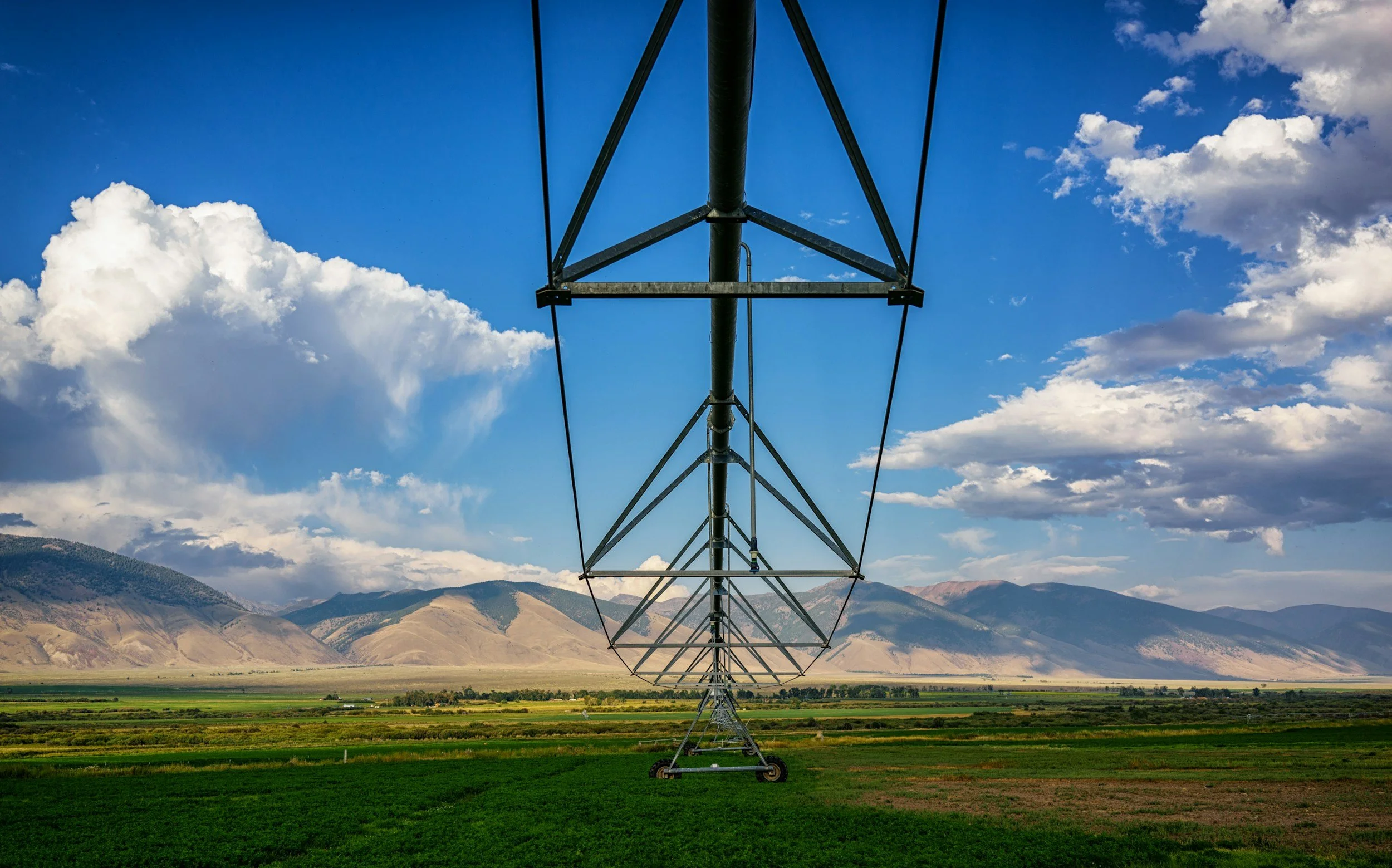
![An irrigation system tower stretching across a lush green field with mountains in the background under a partly cloudy blue sky.]()
Farm Land Development Loans
Finance irrigation, land improvements, outbuildings, and farm infrastructure projects.
-
![Farmer operating a tractor during sunset with golden light and trees in the background.]()
Interest-Only Bridge Loans
Had an off year or credit setback? Our interest-only Bridge Loan keeps you moving forward.
-
![A landscape of farmland with green fields, trees, and a distant horizon under a mostly clear sky with some clouds.]()
Land-Backed Line of Credit
Put your land equity to work for you — through farm improvements and working capital.
-
![A group of children and an adult pick apples from a tree in an apple orchard. They are on a green wagon with a white tank, possibly for spraying. The sky is overcast and there are trees in the background.]()
Hobby Farm Loans
Buying rural acreage for lifestyle or to pursue part-time farming? We have loans for that too.
Our Process
Tell Us About Your Operation
First we'll want to learn about your farm, ranch, goals, financial situation and what type of financing you are looking for.
Complete Your Application
We'll review your financials to make sure your application accurately represents your operation and is ready to be presented to lenders.
We Compare Lending Options
Once your application is ready, we'll present it to our select network of agricultural lending partners and compare loan options to find the best fit for your operation.
It’s Time to Close Your Loan
After you've been approved for the loan, we'll guide you through the closing process and be available to answer questions every step of the way.
Our Story
When you work with Ag Lending Group, you're not just filling out an application and hoping for the best. You're partnering with people who understand agriculture and who are committed to helping you find the right financing for your goals.
Whether you're managing row crops in the Midwest, running cattle in Texas, growing almonds in California, or building a specialty operation in New England, we're here to help.
Because financing should feel like sitting around the kitchen table—not sitting across the desk from someone who doesn't understand farming.
Who We Work With
Ag Lending Group helps Washington farmers and growers finance land purchases, refinances, land-backed lines of credit, development projects and hobby acreage. We're a family-run farm financing advisor that works nationwide, and we take your Washington deal to the ag lending partners that understand tree fruit, wheat and irrigated ground.
Washington is the country's top apple state, and the Yakima and Wenatchee valleys also grow cherries, pears, hops and wine grapes. The Palouse and Big Bend raise dryland wheat, and the Columbia Basin irrigates potatoes, hay and row crops. Orchards and vineyards underwrite very differently from wheat ground, and lenders want to see production history block by block.
Water rights are managed by the Washington Department of Ecology, and many irrigated farms get their water through irrigation districts. A water right that goes unused for five years in a row can be relinquished, so lenders look closely at your rights or district shares and how reliably they deliver.
Whether you operate 40 acres or 40,000, we work with Washington apple, cherry and pear orchards, vineyards and hops, dryland wheat farms, potato and row crop growers, dairies, cattle ranches, hobby farms and ag businesses.
A real Washington story: a hobby farm that became a solar deal
A Washington buyer came to us for what started as a hobby farm purchase and turned into a solar deal. We helped them acquire the property and closed them on a 30-year fixed-rate loan.
Hear from some of the farmers we’ve helped:
Washington Farm & Ranch Loan FAQs
Often, yes. Development loans can be structured around the years before new plantings start producing. Lenders will want a plan, costs and water documentation.
Can you finance an orchard replant in Washington?
1
Lenders look at the rights or irrigation district shares that come with the land, their priority, and whether they've been used. Documented, reliable water supports value.
How do water rights affect a farm loan in Washington?
2
Yes. Lenders look at yields, soils and the rainfall zone, along with your operating history.
Do you finance dryland wheat ground?
3
Do you work with vineyards and hop growers?
4
Yes. We work with lending partners who understand permanent plantings and the contracts behind them.
Ready to Take the Next Step?
Tell us a little about your farm, ranch, and financing needs. Our team will review your information and follow up to help you understand your options.
Send it over and let's start the conversation.